Sample the local flavor with a wide range of culinary adventures at Trapp Family Lodge. Prime rib night, wine tastings, maple tours, and holiday celebrations—all these exciting opportunities await you and much more at our resort in Stowe, Vermont.
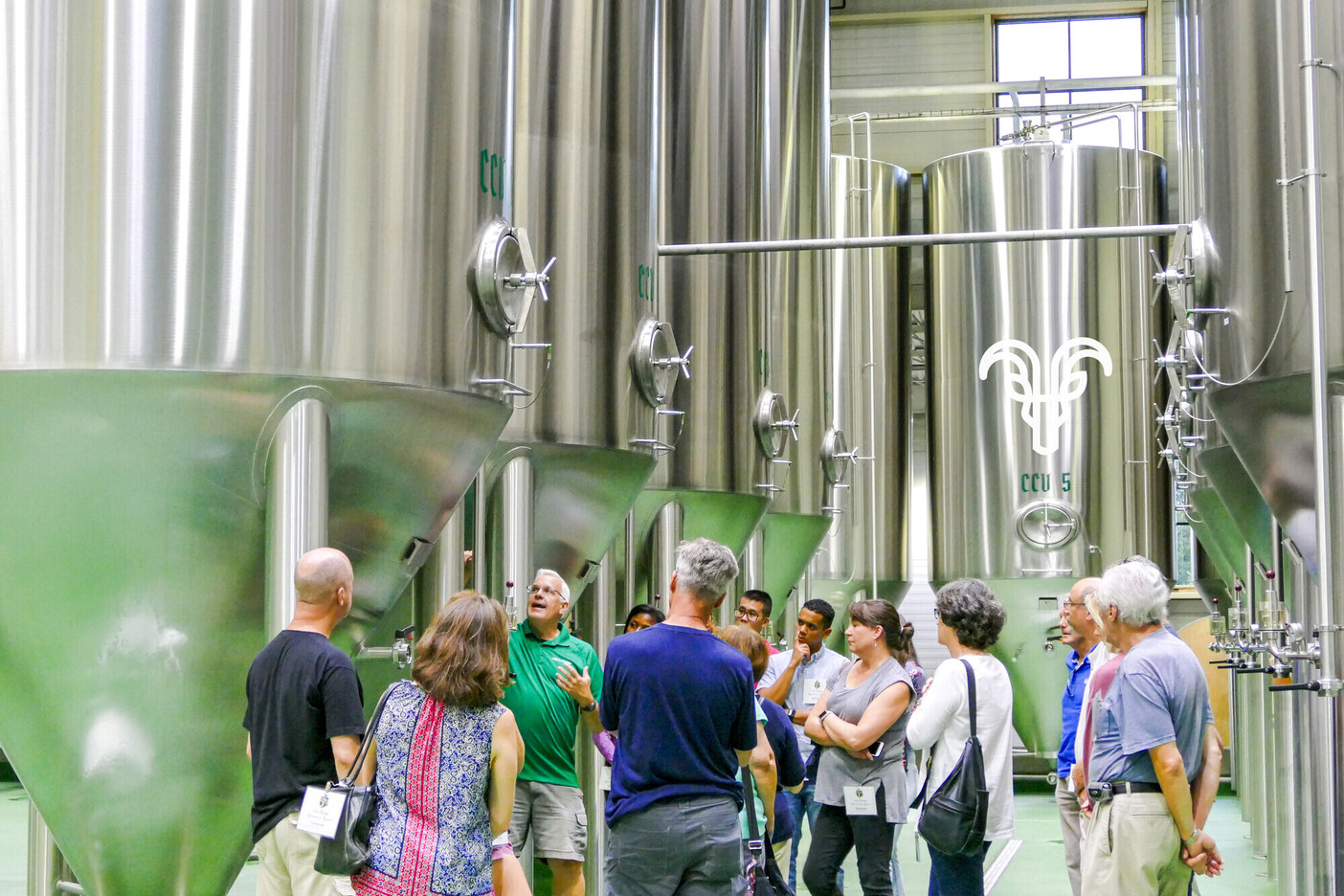
Join us for one of our monthly wine or beer dinners by Executive chef Brian O'Neil and his culinary team. A multi course menu will be paired with von Trapp lagers or a chosen winery of the month. To reserve a spot for any month, call us at 802-253-5712 or email us at kwiegmann@trappfamily.com. Beer dinners will start with a brewery tour of von Trapp Brewing before moving into dinner.
Upcoming Dates:
6/20/24 - von Trapp Brewing Beer Dinner
7/18/24 - Wine Dinner
8/15/24 - von Trapp Brewing Beer Dinner
9/18/24 - Wine Dinner
Experience authentic, Austrian-style lagers at one of Vermont's largest breweries. The von Trapp Brewing Bierhall Restaurant sits just below Trapp Family Lodge, boasting a fleet of crisp, traditionally made brews, along with a menu of thoughtfully curated dishes that will transport you to the European countryside.
In 2010, Johannes von Trapp made his dream of brewing American versions of the beers he enjoyed near his ancestral Austrian home a reality, starting in the Kaffeehaus basement and expanding to the 30,000 sq.ft. facility we operate out of today.
Von Trapp Brewing's Rolec Brew House is capable of producing over 36,000 barrels of award-winning brews a year, while also hosting smaller contract brewers in the area. Outside of the Bierhall and Trapp Family Lodge, you can find our beers on tap and in cans throughout New England, New York, New Jersey, Pennsylvania, Connecticut, Tennessee, Maryland, Virginia, Michigan, and Colorado, with more markets being announced soon.
Head over to the Brewery and Bierhall during your stay and enjoy the traditional tastes of Austria! Brewery tours, available on Tuesdays at 6pm and Saturdays at 1pm, are included with your resort fee, but fill up fast! Book your tickets and make a reservation below.
Email us at bierhallinfo@trappfamily.com to book group events at our Bierhall.
Raise a glass to a great vacation when you visit the Wine Cellar at Trapp Family Lodge in Stowe, Vermont. Our Wine Cellar is filled with varietals from all around the world, including Austria, Germany, and the U.S. Here, you can try all sorts of wines from our exclusive collection, including sweet, dry, robust, and fruity wines. Our Wine Cellar is also available for private dinner parties. This intimate environment will bring your group closer together, all while enjoying great wine and food!
May 1 - Wines from Slovenia and Croatia
May 4 - Rieslings Dry and Sweet
May 11 - Sparkling Wines from 4 Countries
Book Your Wine Tasting
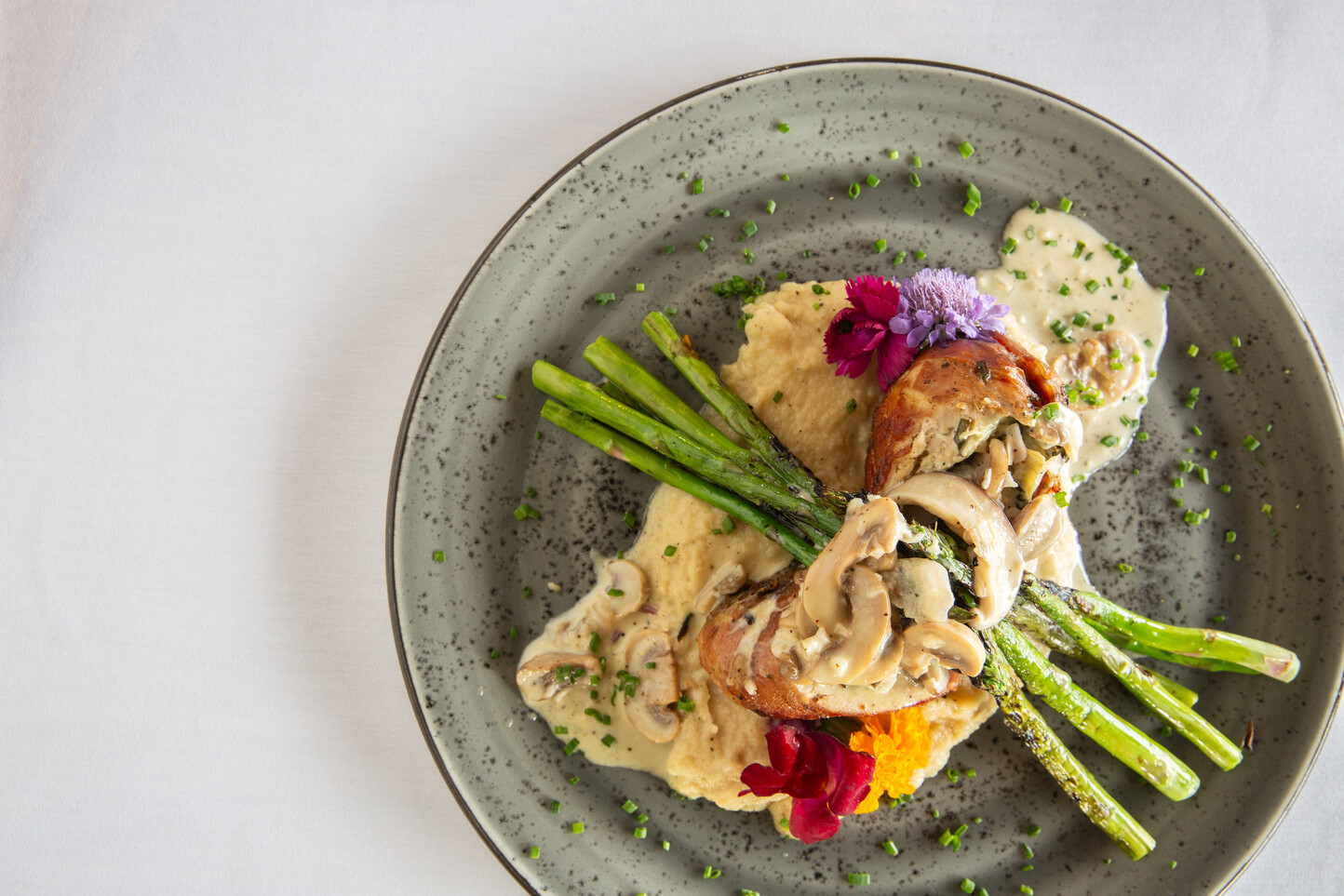
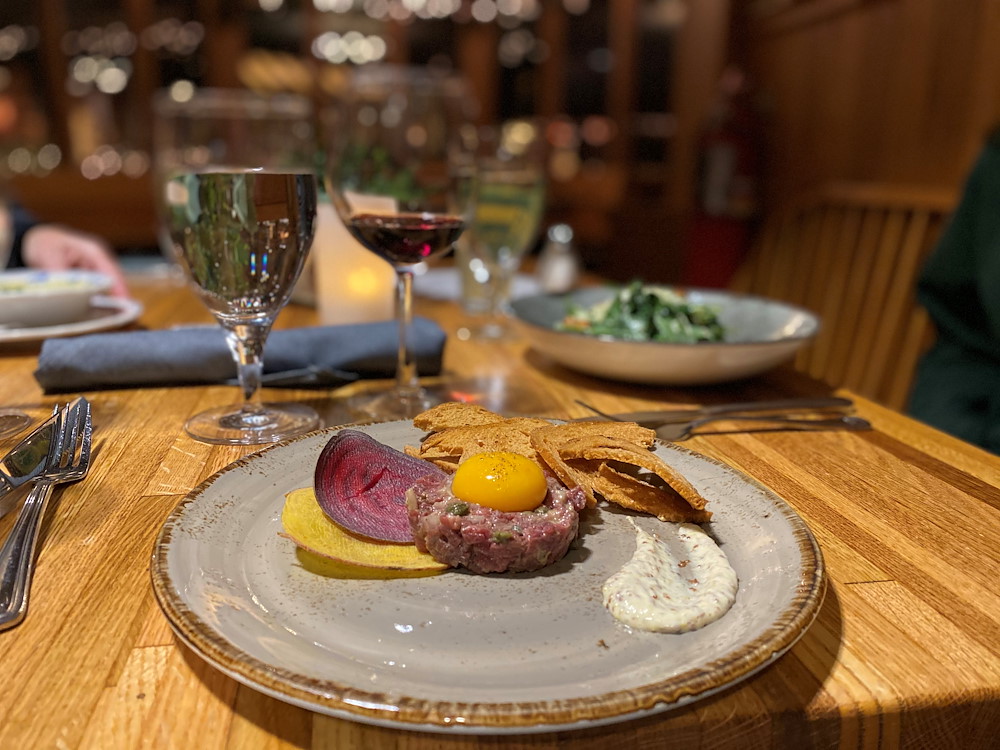
Join us on Tuesdays for our Chef Tasting pre-fixe menu! This multi course meal prepared by Chef Brian O'Neil and his culinary team will change weekly and offer new and exciting items not currently found on our dining room menu. We hope you join us for this fantastic new culinary offering!
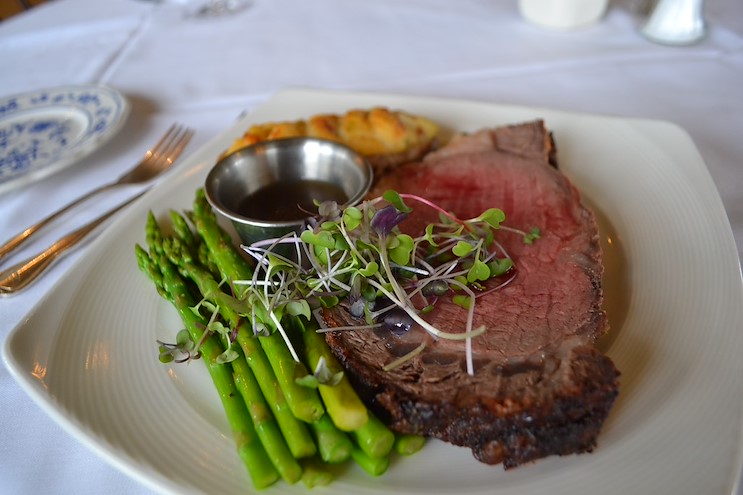
Book NowJoin us for our popular Prime Rib night every Wednesday in our Main Dining Room. Pair your meal with one of our amazing wines off of our extensive wine list.
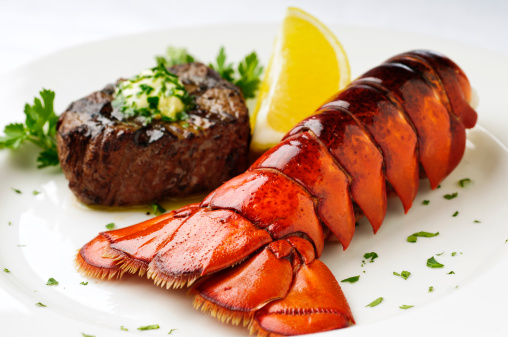
Book NowEnjoy our Surf & Turf night, now occurring on Friday evenings. Each week we will be offering a different selection from the creative minds of our culinary team.
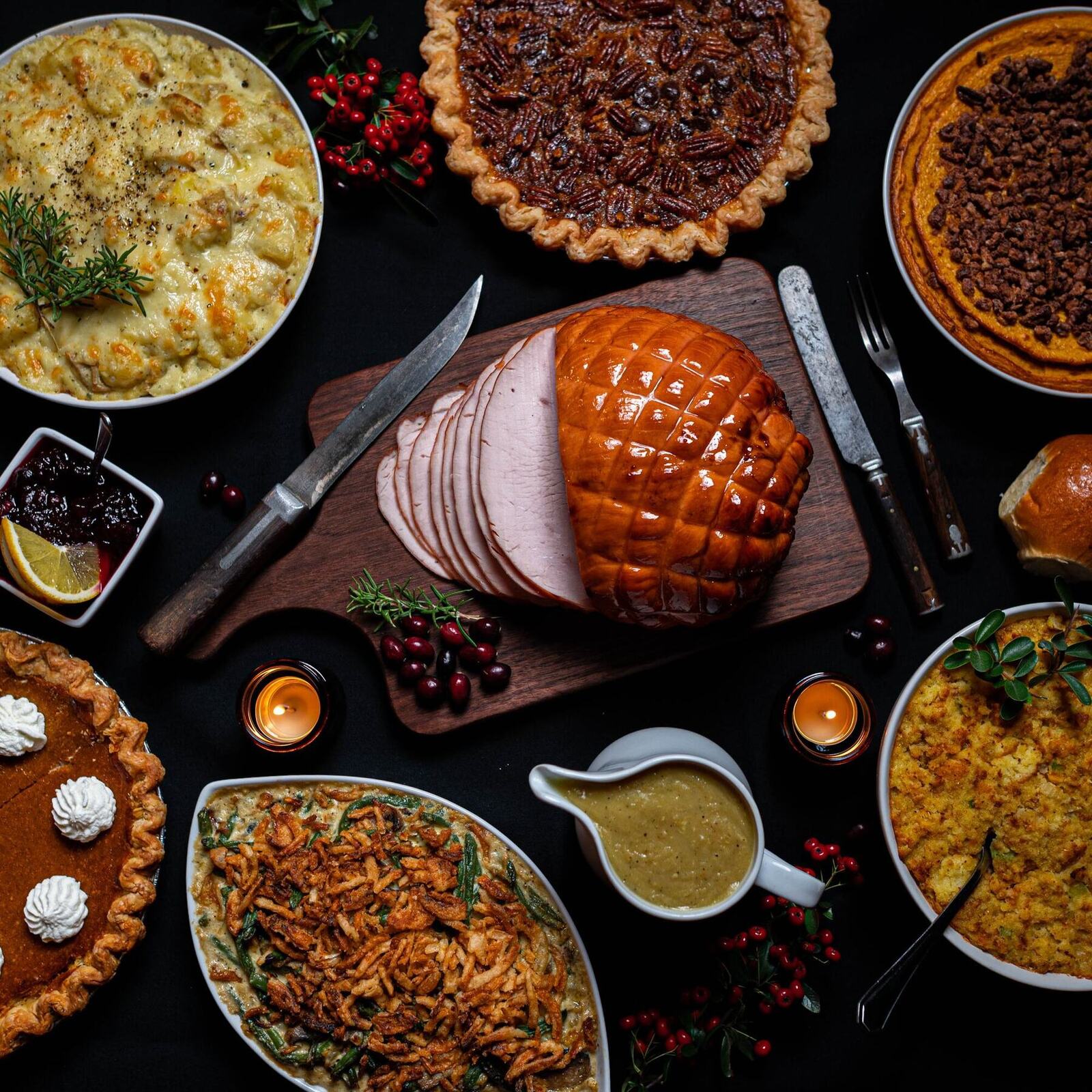
Book NowTrapp Family Lodge provides amazing buffet meals for special holiday celebrations throughout the year. New Year’s Eve buffet, Mother’s Day Brunch, Easter Brunch, Thanksgiving and Christmas buffets — check out our current holiday menus below for this year.
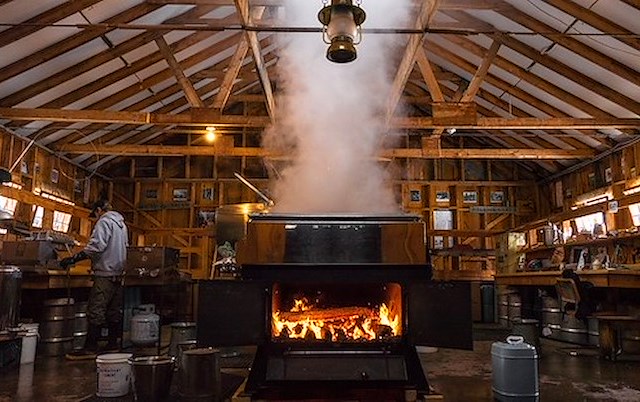
Take a tour of the entire process we use at Trapp Family Lodge to make pure maple sugar. We collect sap in buckets and process everything in the sugarhouse. This tour is a casual one-mile hike beginning outside the Outdoor Center.
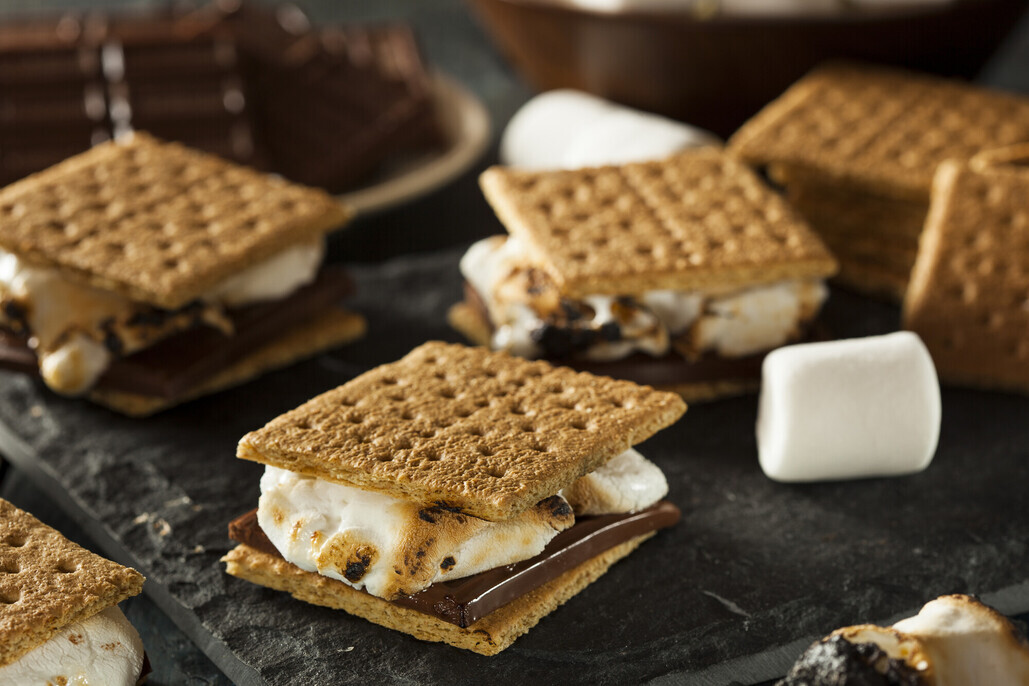
Book NowCome enjoy a campfire, s'mores and Sing-a-long at the fire pit behind our Kaffeehaus. Occurs on Tuesdays and time changes throughout the year based on sunset. (Included with stay. For resort guests only)
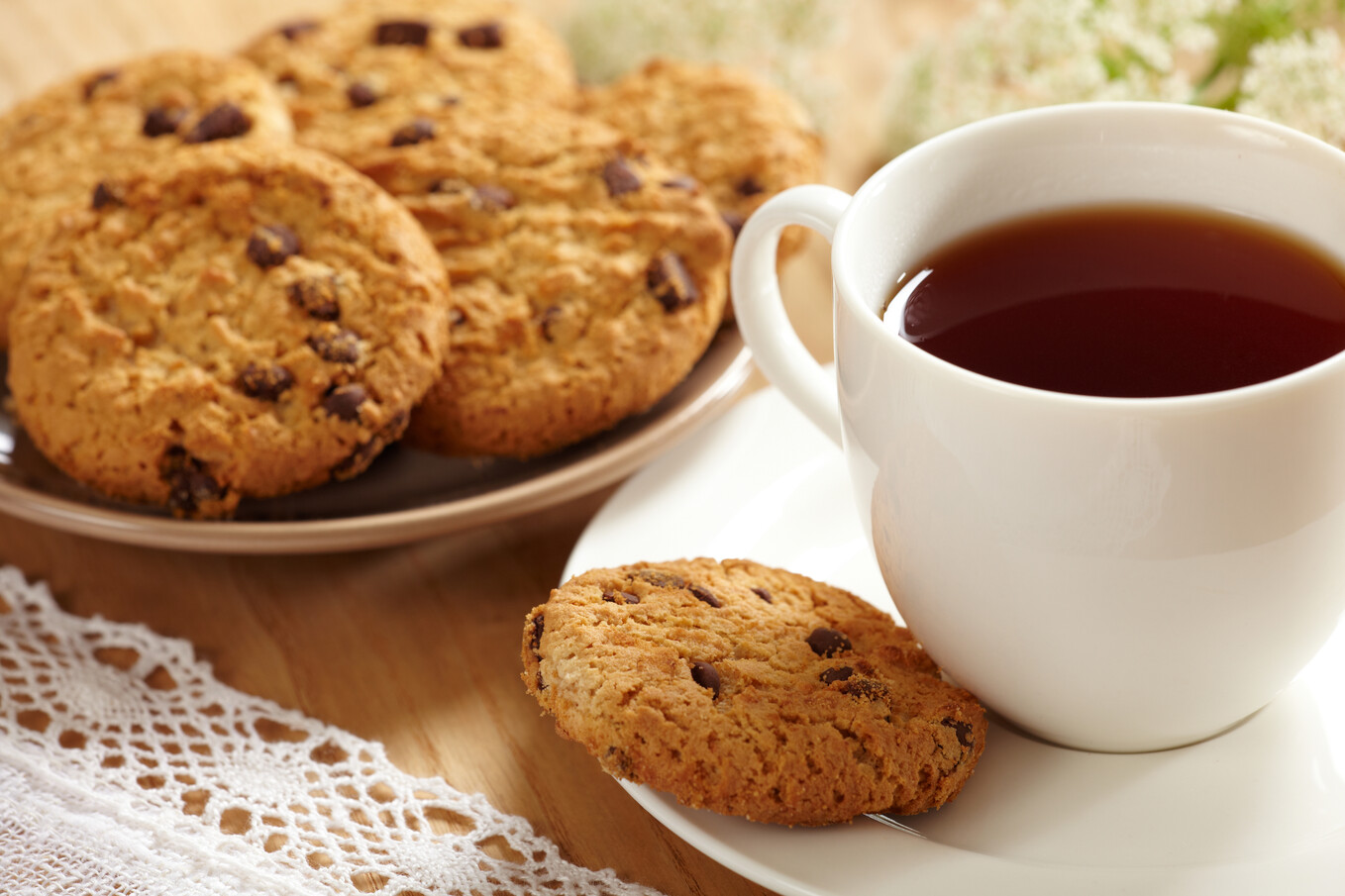
Experience Tea & Cookies daily when staying at the resort. (Available daily to resort guests only. Inquire about current tea and cookies time at check in.)
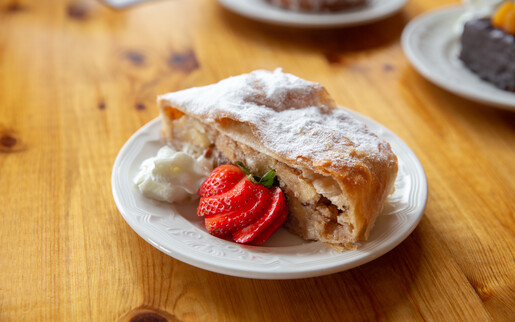
Join our culinary team at one of our popular baking classes here at Trapp Family Lodge.
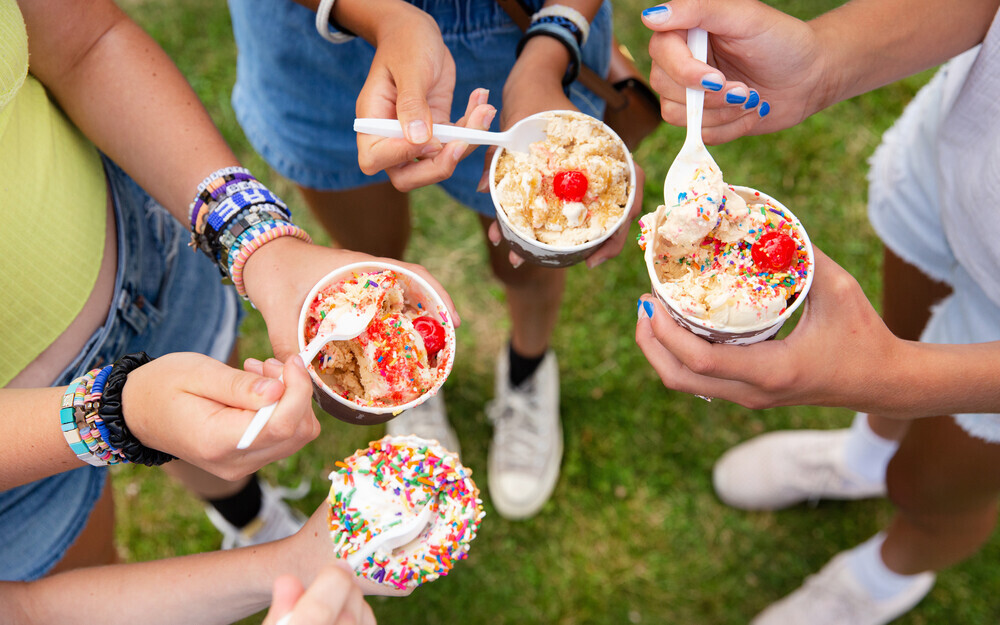
Experience ice cream socials each Wednesday from 3 - 4pm in the summer months at the cabana located behind the Fitness Center. Assorted flavors and toppings are available for you to make your very own unique ice cream creation! Included for all guests staying on property! (Ice Cream Socials to return Summer 2024.)
Join us for the 15th annual Oktoberfest at the von Trapp Brewing Bierhall at 1333 Luce Hill Road in Stowe VT!
The Inseldudler band will be playing throughout the day.
There are 3 sessions, and each session is two hours and forty-five minutes in length.
Adult tickets include your first beer, an Oktoberfest souvenir mug, an app and an entree and live entertainment. Students include everything except the beer and get a soda instead and Youth get an app and a soda.
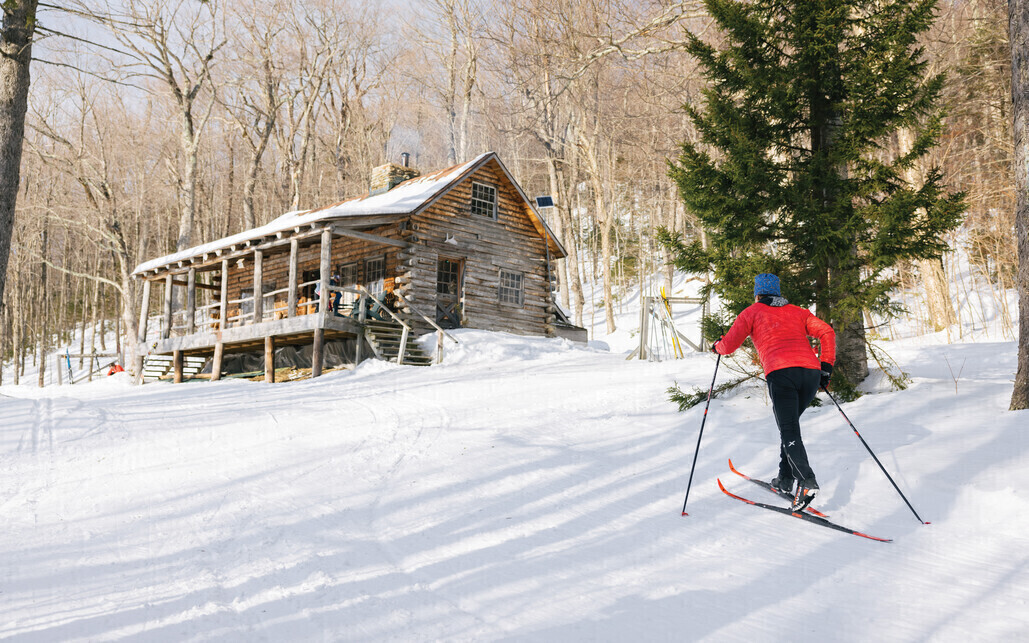
Menu to be announced Spring 2024If you plan on going cross-country skiing or snowshoeing during your stay with us, be sure to make your way to Slayton Pasture Cabin to replenish your energy with multiple hot soups & beverages as well as snacks and desserts being served. From the ski center, it’s a 3-mile journey to this gem nestled in the woods on a knoll behind the Lodge. (Slayton Pasture Cabin is cash only for food due to its remote location)
The journey to Slayton Pasture Cabin may be long, but it’s worth it. The cabin is currently open 7 days a week.
This rustic and cozy log cabin is the perfect private rendezvous spot for lunch with family and friends. Take a seat by the hearth of our roaring fireplace and savor some homemade soups and sandwiches.
Then enjoy a hot chocolate, which is the perfect way to warm up after a long day of skiing. Slayton Pasture Cabin is closed for the season, and we look forward to its reopening at the end of 2024!
Returning December 2024
Trapp Family Lodge offers several ways to add more to your stay with us. Choose from delicious additions like fresh fruit baskets and artisan cheese plates, or add some Trapp House wine, champagne, or beer to any meal.


.jpg)